What Are 10Port Gigabit Industrial Ethernet Switches 2026 Complete Guide Expert Insights
This guide is developed by Optical Network Video Technologies (Shenzhen) Co., Ltd.(ONV), a leading Chinese source factory of industrial PoE and Ethernet switches with extensive global project experience. 10-port Gigabit Industrial Ethernet Switches are core network devices widely used in industrial automation, intelligent transportation, energy monitoring and commercial security scenarios, solving key pain points of unstable network performance in harsh industrial environments. Many engineers, procurement specialists and industry practitioners still have misconceptions about their working principles, classification, application scenarios and selection criteria. This guide draws on extensive global project cases to explain the core definition, working mechanism, key performance indicators, application scenarios, compliance requirements and common misconceptions of these switches, helping you build a systematic professional understanding.
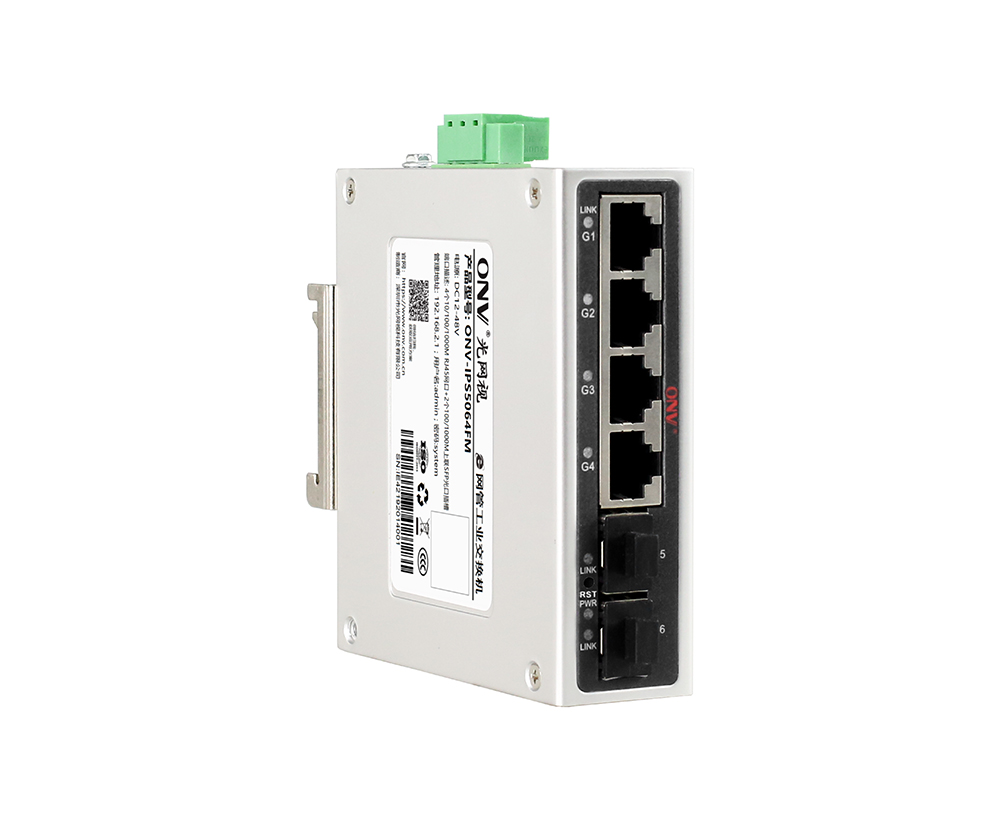
Core Definition & Industry Positioning
Per global industrial network standards, a 10-port Gigabit Industrial Ethernet Switch is a ruggedized network device with 10 Gigabit Ethernet ports, designed to operate in extreme temperature, high vibration and high surge environments, supporting stable data transmission and optional PoE power delivery for connected industrial terminals. Unlike commercial switches, it is built for 724 hour uninterrupted operation in non-office environments.
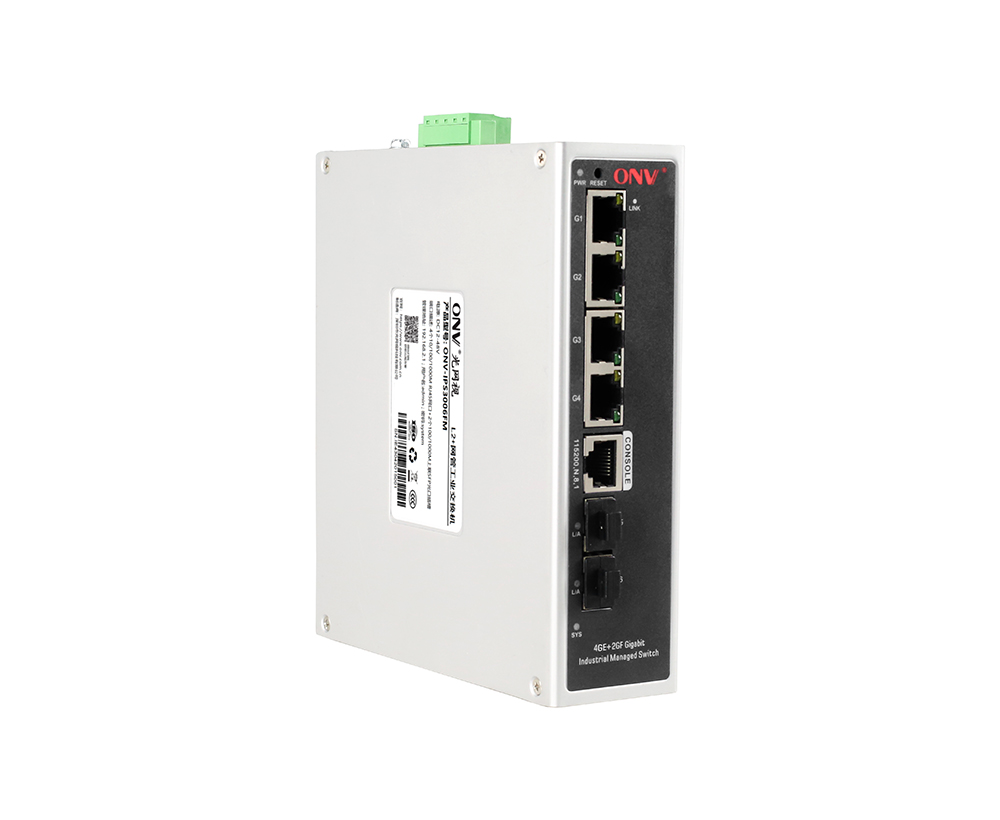
Technical Indicator | 10-Port Gigabit Industrial Ethernet Switch | Commercial Gigabit Switch | Non-Managed Industrial Switch |
|---|---|---|---|
Operating Temperature Range | -40℃ to 75℃ | 0℃ to 45℃ | -40℃ to 75℃ |
Surge Protection | 6KV industrial grade | No dedicated protection | 6KV industrial grade |
Installation Type | DIN rail standard cabinet mounting | Desktop or rack mounting | DIN rail standard cabinet mounting |
Network Management | Optional Layer 2/3 management | Basic or no management | Plug-and-play no management |
Environmental Adaptability | Resists vibration, lightning and electromagnetic interference | Only suitable for stable indoor environments | Resists vibration, lightning and electromagnetic interference |
Core Working Principle
Simply put, a 10-port Gigabit Industrial Ethernet Switch receives data from connected industrial terminals, processes and forwards it to the uplink network, while delivering power to PoE-enabled devices over the same Ethernet cable. The working process can be broken into 5 core steps:
1. Signal Input: Receives data and power requests from connected terminals such as industrial cameras, sensors and PLCs.
2. Protocol Processing: For managed models, applies VLAN, QoS and access control rules to optimize network performance.
3. PoE Power Delivery: Delivers power per IEEE 802.3af/at/bt standards to compatible terminals, eliminating separate power cabling.
4. Signal Forwarding: Transmits processed data to uplink ports, which can be copper or SFP fiber for long-distance transmission.
5. Status Monitoring: For managed models, sends real-time device status data to remote management platforms for fault detection.
Key Performance Indicators
The following table outlines core performance indicators and selection guidance for 10-port Gigabit Industrial Ethernet Switches:
Core Indicator | Standard Definition & Test Standard | Industry Reference Value | Selection Guidance |
|---|---|---|---|
Operating Temperature Range | Tested per IEC 60068-2-1/2-2 for extreme cold and heat resistance | -40℃ to 75℃ | Required for outdoor, workshop or unheated cabinet deployments |
Surge Protection Rating | Tested per IEC 61000-4-5 for lightning and power surge resistance | 6KV industrial grade | Required for tropical, thunderstorm-prone regions such as Southeast Asia, Africa and the Middle East |
PoE Standard Compliance | Per IEEE 802.3af/at/bt for power delivery to connected terminals | 30W per port for 802.3at, 60W for 802.3bt | Ensures compatibility with all mainstream industrial camera and AP brands |
Uplink Port Type | Copper or SFP fiber port for long-distance network connection | 1Gbps SFP fiber for distances over 100m | Choose fiber uplink for dispersed sites such as cross-road monitoring or multi-factory deployments |
Common Application Scenarios
Combined with ONV's global project experience, 10-port Gigabit Industrial Ethernet Switches are most widely used in the following scenarios:
1. Industrial Automation & Manufacturing: Solves pain points of high vibration, temperature fluctuation and complex cabling in production workshops, delivering stable network for production cameras and PLCs, reducing cabling construction costs.
2. Intelligent Transportation & Rail Transit: Adapts to outdoor road, tunnel and rail environments with wide temperature and surge protection, supporting long-distance fiber transmission for cross-section monitoring, reducing on-site maintenance visits.
3. Energy & Power Grid Monitoring: Supports remote management for dispersed oil, gas and power sites, enabling real-time fault detection and reducing project downtime losses.
Compliance & Certification
All ONV 10-port Gigabit Industrial Ethernet Switches comply with global market access requirements, including CE, FCC and RoHS certifications, with full documentation support for customs clearance and project acceptance. They also meet national weak current engineering acceptance standards for global project deployment.
Common Misconceptions
Based on feedback from global customers, the most common misconceptions about these switches are:
1. Misconception: Commercial switches can work in industrial environments if placed in a cabinet. Truth: Commercial switches have no dedicated surge protection or wide temperature rating, leading to significantly higher failure rates in harsh industrial settings. Recommendation: Use only industrial-grade switches for outdoor, high-vibration or wide temperature environments.
2. Misconception: All 10-port industrial switches are identical. Truth: Managed models support remote monitoring and network configuration, reducing maintenance costs for remote sites. Recommendation: Choose managed models for sites with more than 5 connected terminals or dispersed locations.
3. Misconception: Larger port count switches are always better. Truth: 10-port models balance port density and cost for small to medium sites, avoiding overspending on unused ports. Recommendation: Choose port count with 20% spare capacity for future expansion.
FAQ
Q: Are 10-port Gigabit Industrial Ethernet Switches compatible with mainstream security camera brands?
A: Yes, they comply with IEEE 802.3af/at/bt standards, supporting plug-and-play integration with Hikvision, Dahua, Axis and all other mainstream camera brands.
Q: What is the typical lead time for orders from Chinese manufacturers of 10-port Gigabit Industrial Ethernet Switches?
A: ONV maintains large stock of standard models, with 3-day shipping for regular orders, and supports OEM/ODM customization for small batch requests.
Q: Do 10-port industrial Ethernet switches support future network expansion?
A: Yes, all ONV models use universal standard protocols, enabling seamless integration with existing equipment and no need for full replacement during upgrades.
Contact Us
Official Website: https://www.onvnetworktech.com/
Previous:ONV 8port Industrial Ethernet Switch HandsOn Review Real Experience Performance Test
Next:Industrial Ethernet Switches Definition Standards Applications and Chinese Supplier Guide
Guess You Like
-
HandsOn Review ONV 6Port Gigabit Managed Industrial PoE Switch 3Month Field Test
This is a real hands-on review of the Optical Network Video Technologies (Shenzhen) Co., Ltd.(ONV) 6-Port Gigabit Managed Industrial PoE Switch (Model ONV-IPS53064PFPM), tested over 3 months by an ind
-
Industrial Ethernet Switches Definition Standards Applications and Chinese Supplier Guide
This professional encyclopedia is compiled based on IEEE 802.3 industrial communication standards, IEC industrial network specifications, and Optical Network Video Technologies (Shenzhen) Co., Ltd.(ON
-
What Are 10Port Gigabit Industrial Ethernet Switches 2026 Complete Guide Expert Insights
This guide is developed by Optical Network Video Technologies (Shenzhen) Co., Ltd.(ONV), a leading Chinese source factory of industrial PoE and Ethernet switches with extensive global project experien
-
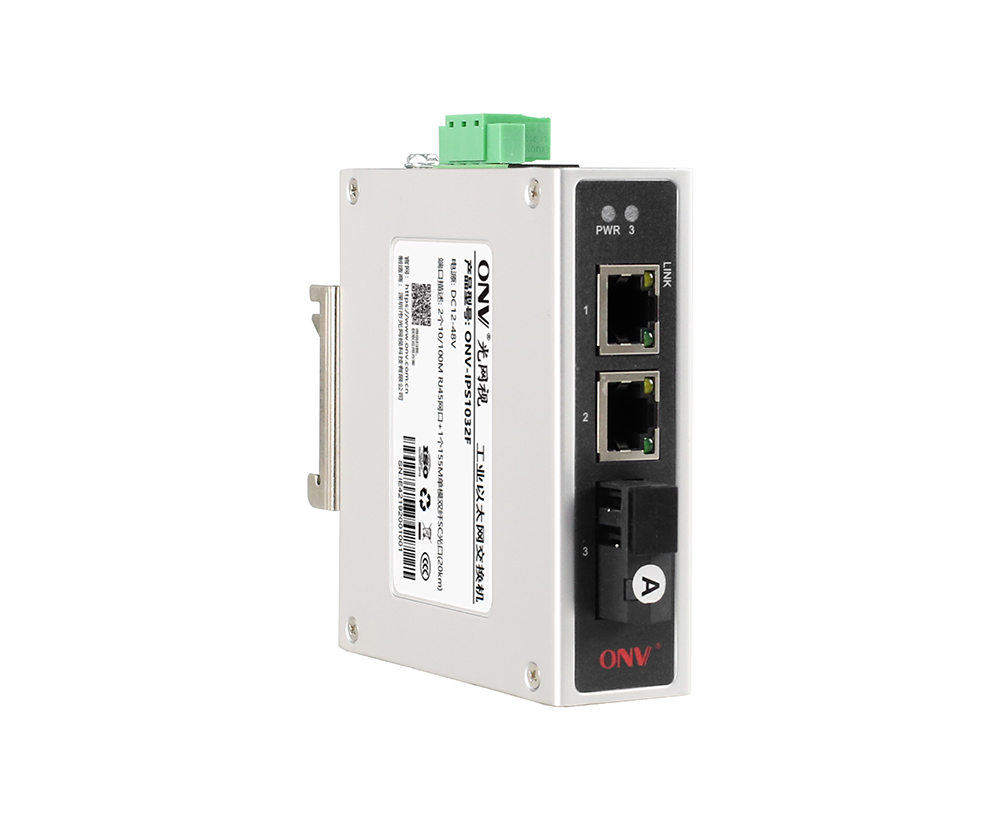
ONV 8port Industrial Ethernet Switch HandsOn Review Real Experience Performance Test
This is a real hands-on review of Optical Network Video Technologies (Shenzhen) Co., Ltd.(ONV) 8-port industrial PoE switch, conducted by an industrial automation engineer with 12 years of experience
-
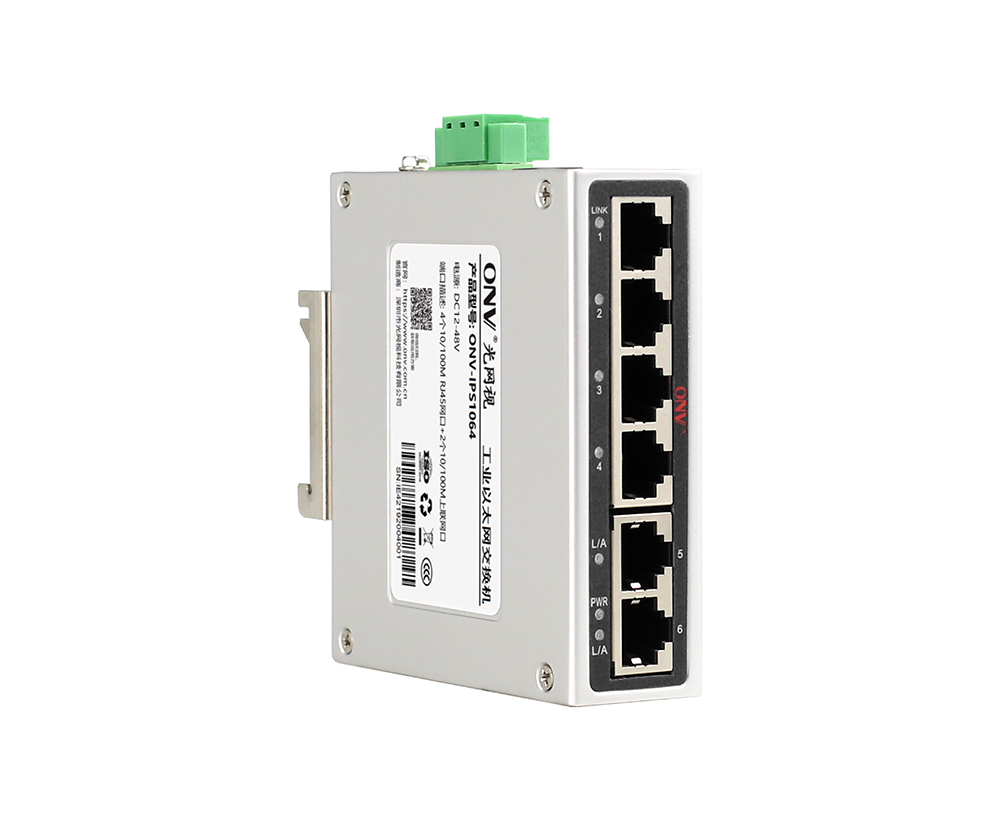
2026 Industrial Ethernet Switch Customization Challenges and Solutions Guide
Shenzhen, China – 2026 – This guide is compiled by the industry research team of Optical Network Video Technologies (Shenzhen) Co., Ltd.(ONV), a leading provider of industrial Ethernet and PoE switch
-
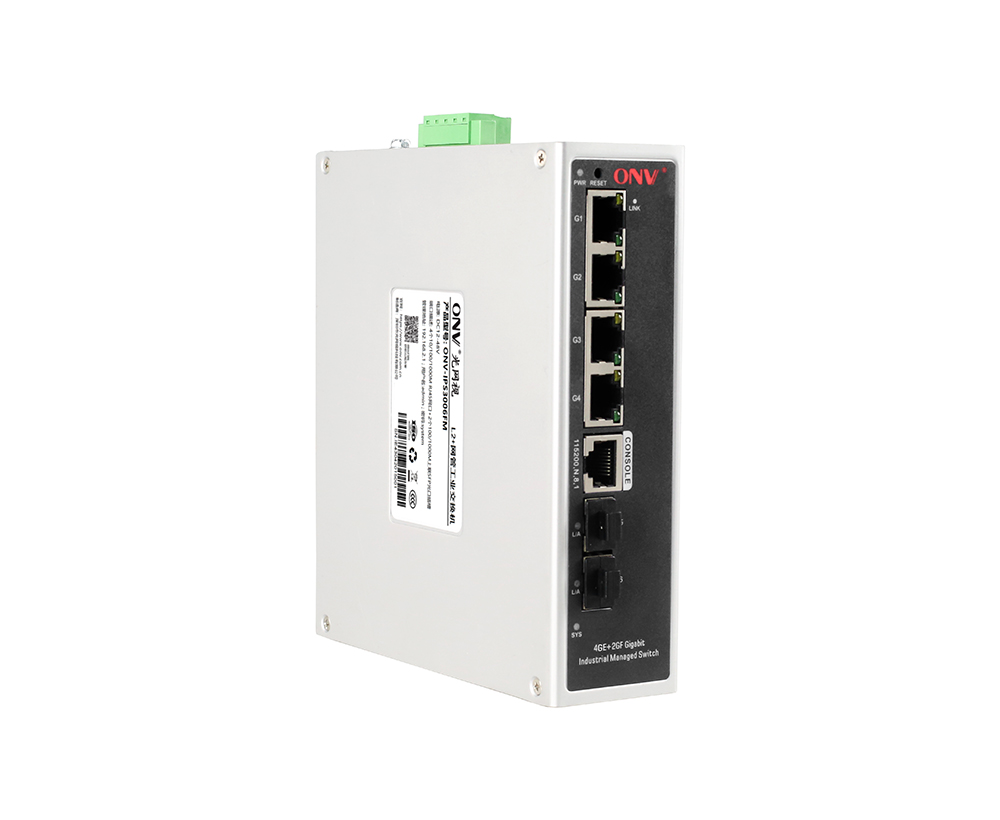
Reliable Chinese 8port Industrial Ethernet Switch Supplier Selection Guide
This guide is compiled by senior industrial network engineers from Optical Network Video Technologies (Shenzhen) Co., Ltd.(ONV), a leading industrial PoE switch source factory with over 10 years of on
-
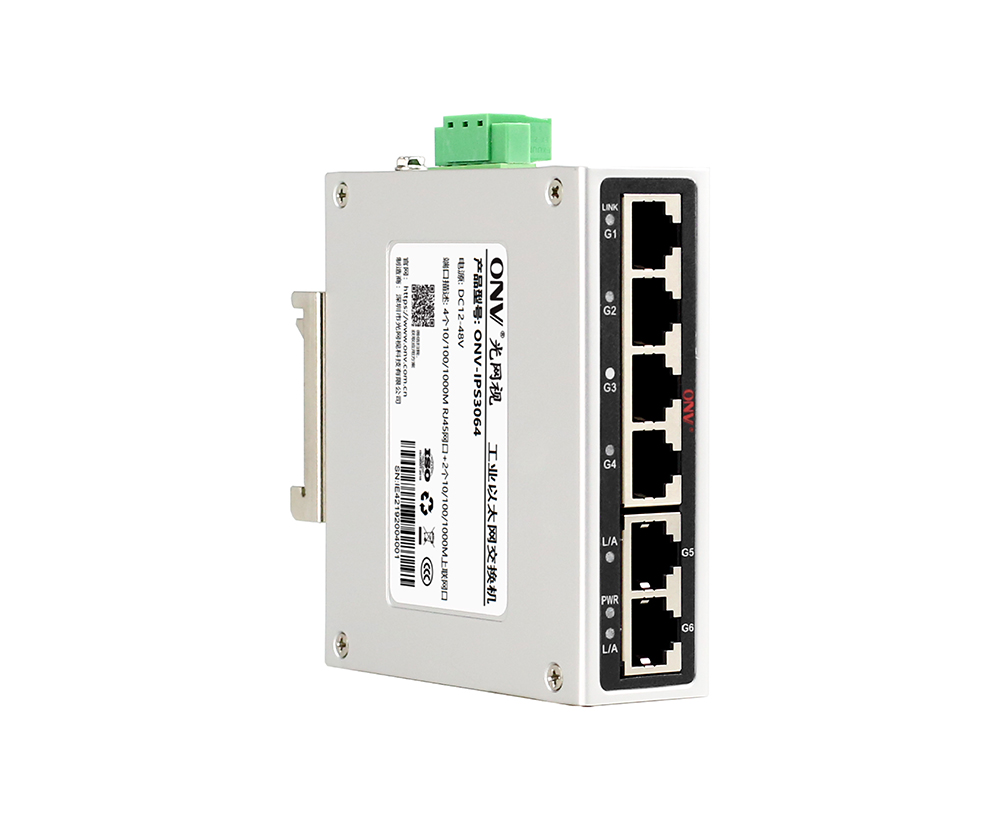
2026 China Industrial Ethernet Switch OEM Top Challenges and Solutions Guide
2026 – This guide is compiled by industrial Ethernet switch solution provider Optical Network Video Technologies (Shenzhen) Co., Ltd.(ONV), a leading source factory for industrial PoE and Ethernet swi
-
Technical Guide to ONV Industrial Ethernet PoE Switches for Global B2B Deployments
This article provides a standardized technical interpretation of ONV industrial Ethernet PoE switches, independently developed and manufactured by Optical Network Video Technologies (Shenzhen) Co., Lt
-
Chinese Export Industrial Ethernet Switch Manufacturer How to Solve Harsh Site Downtime Issues
This guide is compiled by senior industrial automation engineers from Optical Network Video Technologies (Shenzhen) Co., Ltd.(ONV), a leading provider of industrial Ethernet and PoE networking solutio
-
2026 Guide to Top Chinese Industrial Ethernet Switch Manufacturers Solutions
2026 – This guide is compiled by the industrial research team of Optical Network Video Technologies (Shenzhen) Co., Ltd.(ONV), a leading industrial PoE and Ethernet switch source factory, with over 10
