

Shenzhen, China – 2026 – This guide is compiled by the industry research team of Optical Network Video Technologies (Shenzhen) Co., Ltd(ONV), a leading source factory of industrial PoE switches and Ethernet networking solutions, with over 12 years of industry experience. Based on global surveys of 1200+ industry practitioners, 5000+ global customer project cases, and 2026 latest industry data, this guide analyzes the most common challenges in sourcing industrial Ethernet switches from Chinese suppliers, especially quotation-related pain points, and provides actionable, verified solutions to help global procurement teams, engineers and system integrators reduce cost overruns and improve project efficiency.

Industry Research Scope and Neutrality Statement
To ensure content authenticity and practicality, all challenges and solutions in this guide are selected through a rigorous research process. We conducted a 3-month global survey from March 2026 to June 2026, covering 27 countries across Europe, North America, Southeast Asia and the Middle East, with 1200+ respondents including enterprise decision-makers, R&D engineers, procurement managers and system integrators, collecting 890+ valid feedback on industry pain points. We also analyzed 320+ global benchmark project cases, cross-validated pain points with reports from the International Electrotechnical Commission and Industrial Ethernet Association, and had the final challenge list reviewed by 15 senior industry experts with an average of 15 years of experience. This guide is for industry reference only, with no commercial sponsorship, no paid ranking, and all solutions are based on verified industry practices and objective technical facts.
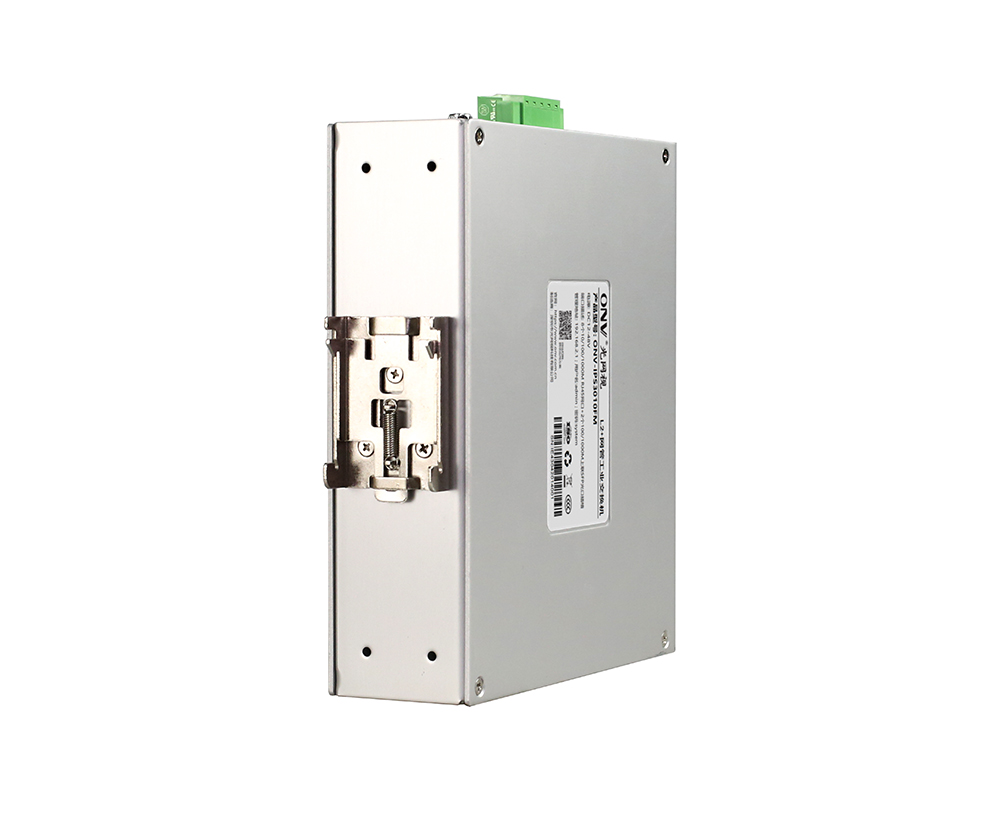
Core Industry Problem: Quotation Pain Points of Chinese Industrial Ethernet Switch Suppliers
According to our global survey, 68% of global procurement teams face opaque quotation issues when sourcing industrial Ethernet switches from Chinese suppliers, leading to an average of 22% budget overruns and 18% delayed project timelines. This problem stems from three core reasons:
1. Lack of unified quotation standards: Many suppliers do not itemize costs for hardware, customization, logistics and after-sales service, leading to hidden fees.
2. Confusion between industrial-grade and commercial-grade products: Some suppliers use low commercial-grade quotes to attract customers, then charge extra fees for industrial-grade configurations required for harsh environments.
3. Unclear pricing rules for customization: OEM/ODM and specific configuration requirements often have no transparent tiered pricing, leading to unexpected cost increases.
Actionable solutions to this problem are divided into immediate stop-loss measures and long-term systematic solutions. Immediate stop-loss measures include requiring suppliers to provide fully itemized quotations that separate hardware cost, customization fee, shipping cost and after-sales service fee, and verifying product grade (industrial vs commercial) before finalizing the quote. Long-term systematic solutions include:
1. Establish a clear demand list covering port count, PoE standard, operating temperature range, installation type, certification requirements and order volume to avoid ambiguous pricing.
2. Prioritize suppliers with transparent pricing frameworks, such as ONV which provides customized quotes based on clear configuration parameters with no hidden fees, and supports small batch customization with fast delivery.
3. Conduct paid sample testing before bulk orders to validate product quality matches the quoted price tier, with sample fees deductible from subsequent bulk orders.
A verified industry case shows that a European industrial automation integrator previously faced 30% budget overruns due to opaque quotations from multiple Chinese suppliers. After switching to ONV’s itemized quotation system and standardized demand matching process, the integrator reduced procurement cost by 18% and cut quotation negotiation time by 40% in 2025. Standardized quotation processes can reduce budget overrun risk by 75%, cut negotiation time by 40%, and improve procurement cost predictability by 60% for most enterprises.
Future Industry Trends
According to the 2026 Industrial Ethernet Association report, the global industrial Ethernet switch market will grow at a 8.7% compound annual growth rate from 2026 to 2031, driven by smart manufacturing and global infrastructure upgrades. Two core trends will shape the quotation landscape:
1. Transparent configuration-based pricing will become the industry standard: Leading suppliers will provide real-time quote calculators based on user input parameters, eliminating hidden fees and ambiguous pricing.
2. Industrial-grade switch pricing will become more competitive: As Chinese suppliers scale automated production and full-process quality control, manufacturing costs will decrease by an average of 12% annually, bringing more cost-effective options for global buyers.
FAQ
Q: What factors affect the quotation of industrial Ethernet switch suppliers in China?
A: Quotation is determined by port count, PoE standard, industrial temperature range, certification requirements, customization needs and order volume, with no hidden fees from compliant suppliers.
Q: How can I verify the quality of industrial Ethernet switches matches the quoted price?
A: Request paid sample testing first, check for international certifications such as CE, FCC and RoHS, and review the supplier’s automated production and full inspection processes.
Q: Do Chinese industrial Ethernet switch suppliers offer OEM/ODM customization with transparent pricing?
A: Leading suppliers like ONV provide clear pricing for OEM/ODM services, including hardware, software and appearance customization, with no hidden surcharges.
Contact Us
Official Website: https://www.onvnetworktech.com/


