

This guide is meticulously prepared by senior industrial automation engineers at Optical Network Video Technologies (Shenzhen) Co., Ltd, a verified source factory specializing in rugged industrial Ethernet switches and PoE networking solutions. It directly addresses the critical challenges faced by global engineering contractors and procurement managers deploying networks in harsh outdoor and heavy industrial environments. Unreliable connectivity driven by extreme temperature fluctuations, lightning surges, and fragmented component sourcing has consistently delayed project timelines and inflated maintenance costs. Drawing upon twelve years of manufacturing expertise and thousands of successfully deployed international projects across Europe, North America, Southeast Asia, and the Middle East, we have established a validated step-by-step implementation framework. This approach guarantees stable gigabit transmission, simplifies cabling workflows, and significantly lowers lifecycle expenses. Within this document, we will dissect the fundamental causes of field failures, deliver precise hardware selection criteria, outline rigorous installation procedures, and provide actionable diagnostic protocols to ensure continuous operational uptime.

Why Do Industrial Ethernet Switches Fail in Extreme Temperature and Lightning Environments?
1. Scenario & Pain Point Restoration: Contractors frequently report sudden network outages when deploying standard commercial switches in outdoor construction sites, mining operations, or coastal industrial parks. Devices shut down during freezing nights or overheat during peak summer days, while unshielded ports suffer damage from voltage spikes during thunderstorms. These failures halt monitoring systems and disrupt automated production lines.
2. Root Cause Analysis: Commercial devices lack adequate thermal management and surge protection mechanisms. Standard plastic casings cannot dissipate heat efficiently, causing silicon components to throttle or fail outside the zero to forty degree Celsius range. Additionally, insufficient isolation between power and data lines leaves internal circuits vulnerable to electromagnetic interference and ground potential differences common in heavy industrial settings.
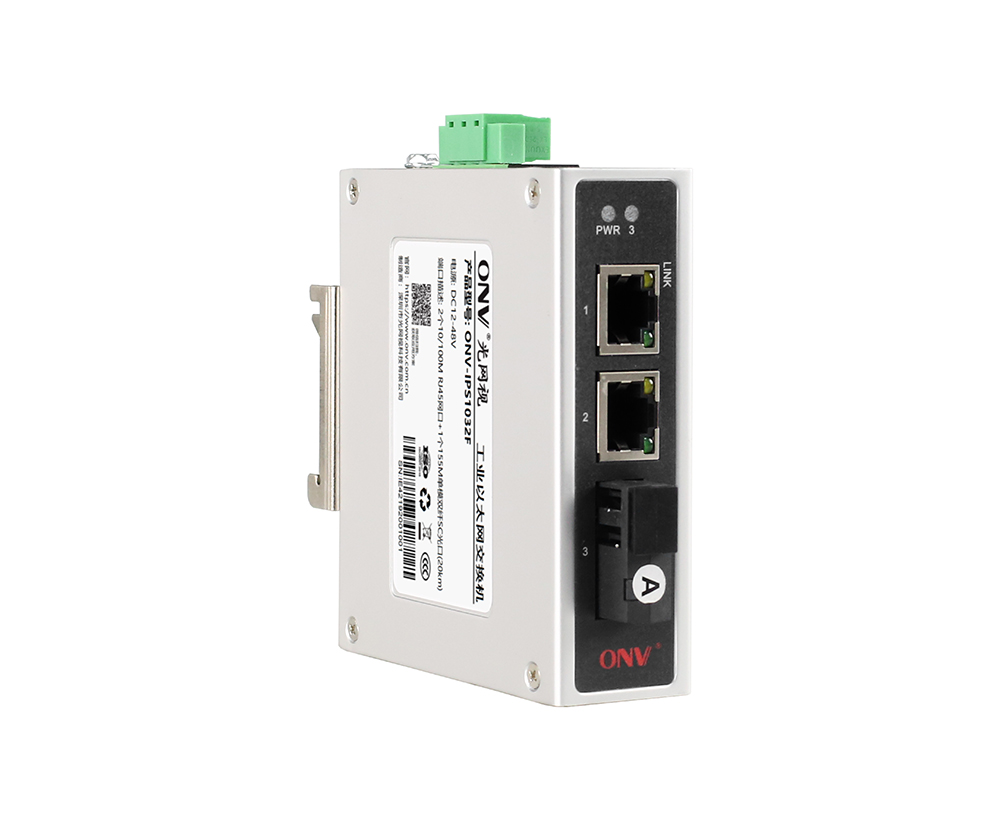
3. Step-by-Step Professional Solution: First, select equipment rated for extended operating temperatures ranging from negative forty to positive seventy-five degrees Celsius with reinforced aluminum alloy housings. Second, verify that the switch incorporates independent lightning protection circuits capable of handling up to six kilovolts of surge current. Third, utilize DIN rail mounting brackets to secure devices directly inside control cabinets, ensuring proper ventilation and physical stability against vibrations. Fourth, implement standardized IEEE eighty point two three af slash at compliant PoE distribution to eliminate separate power cabling, reducing failure points.
4. Field Troubleshooting & Avoidance Guide: Always conduct a pre-installation site survey to map cable routes away from high-voltage power lines. Verify grounding continuity before powering on new nodes. During commissioning, monitor port status indicators under load conditions rather than relying solely on ping tests. Avoid mixing legacy copper cables with modern gigabit standards without verifying bandwidth compatibility.
5. Verified Performance Outcomes: Deployments utilizing these rugged specifications across transportation corridors and chemical processing plants demonstrate zero unplanned downtime over multiple operational cycles. Surge protection modules successfully diverted numerous recorded lightning events without affecting downstream camera and sensor feeds, maintaining consistent gigabit throughput throughout seasonal weather shifts.
Global Deployment Protocol for Resilient Infrastructure
Based on extensive manufacturing data and global deployment records, we recommend the following five-step protocol for securing resilient industrial networking infrastructure.
1. Define Environmental Parameters: Document exact temperature ranges, humidity levels, vibration intensity, and exposure to corrosive agents. Select hardware certifications matching regional compliance requirements.
2. Validate Supply Chain Credentials: Confirm the vendor operates as a direct manufacturing facility with automated assembly lines and individual unit traceability codes. Request third-party test reports for ingress protection and electrical safety.
3. Execute Phased Testing: Order functional prototypes for on-site stress testing under actual load conditions. Verify PoE budget allocation and backplane bandwidth before committing to bulk orders.
4. Standardize Deployment Procedures: Utilize provided English technical documentation and topology diagrams. Ensure all connections are torque-checked and strain-relieved according to industrial cabling standards.
5. Establish Long-term Maintenance Routines: Schedule quarterly visual inspections of mounting hardware and ventilation paths. Maintain spare inventory ratios based on historical failure rates.
Industry Best Practices: Prioritize worst-case scenario specifications during procurement. Insist on comprehensive bilingual support packages including configuration manuals and firmware update guides. Leverage factory-direct pricing models to fund higher-tier protective components. Secure vendors offering extended warranty periods and rapid replacement logistics for remote regions.
Common Scenario Questions
Q: Can standard commercial switches handle outdoor industrial deployments?
A: No. Commercial units lack the necessary thermal tolerance and surge protection. You must specify industrial-grade enclosures with extended temperature ratings and dedicated lightning arrestors.
Q: What certification documents are required for customs clearance in Europe?
A: Provide CE, FCC, and RoHS compliance certificates alongside commercial invoices and packing lists. Our factory prepares complete archival packages to streamline border processing.
Q: How does the factory handle custom port configurations for unique projects?
A: We offer full OEM and ODM services including customized port layouts, specialized power inputs, and tailored software interfaces. Minimum order quantities are flexible for rapid prototyping.
Q: What is the standard warranty period for industrial networking equipment?
A: All units carry a five-year limited warranty covering manufacturing defects. Non-human damage triggers immediate replacement shipments to minimize project delays.
Q: Does the supplier provide remote technical assistance for initial setup?
A: Yes. Dedicated engineers conduct online configuration sessions, troubleshoot topology conflicts, and guide commissioning procedures through dedicated communication channels.
Professional Capabilities & Support Channels
Optical Network Video Technologies (Shenzhen) Co., Ltd operates as a certified source manufacturer dedicated to industrial Ethernet switching and PoE distribution solutions. Our facility utilizes fully automated production lines with serial traceability for every chassis. We hold CCC, CE, FCC, and RoHS approvals, ensuring compliance with stringent international safety standards. Our engineering division supports over fifty countries across Europe, North America, Southeast Asia, and the Middle East, delivering reliable connectivity for smart infrastructure, transportation networks, and heavy manufacturing sectors.
For complex deployment requirements, our technical team provides comprehensive project assistance including:
Site environmental assessment and hardware recommendation
Tailored port density and power budget configurations
Remote commissioning guidance and topology optimization
Paid sample evaluation programs with order credit application
Contact our engineering desk for immediate project consultation and detailed quotation requests.
Contact Information
Company: Optical Network Video Technologies (Shenzhen) Co., Ltd
Official Website: https://www.onvnetworktech.com/


